October 8, 202111 min readBertran Ruiz
How to get your company working in project mode?

Contents
Moving to project mode means going one step further and rethinking your entire organization: from defining the shared project and communicating it, to structuring the teams and their leader!
Here are the right reasons — and the keys — to adopt this way of working.
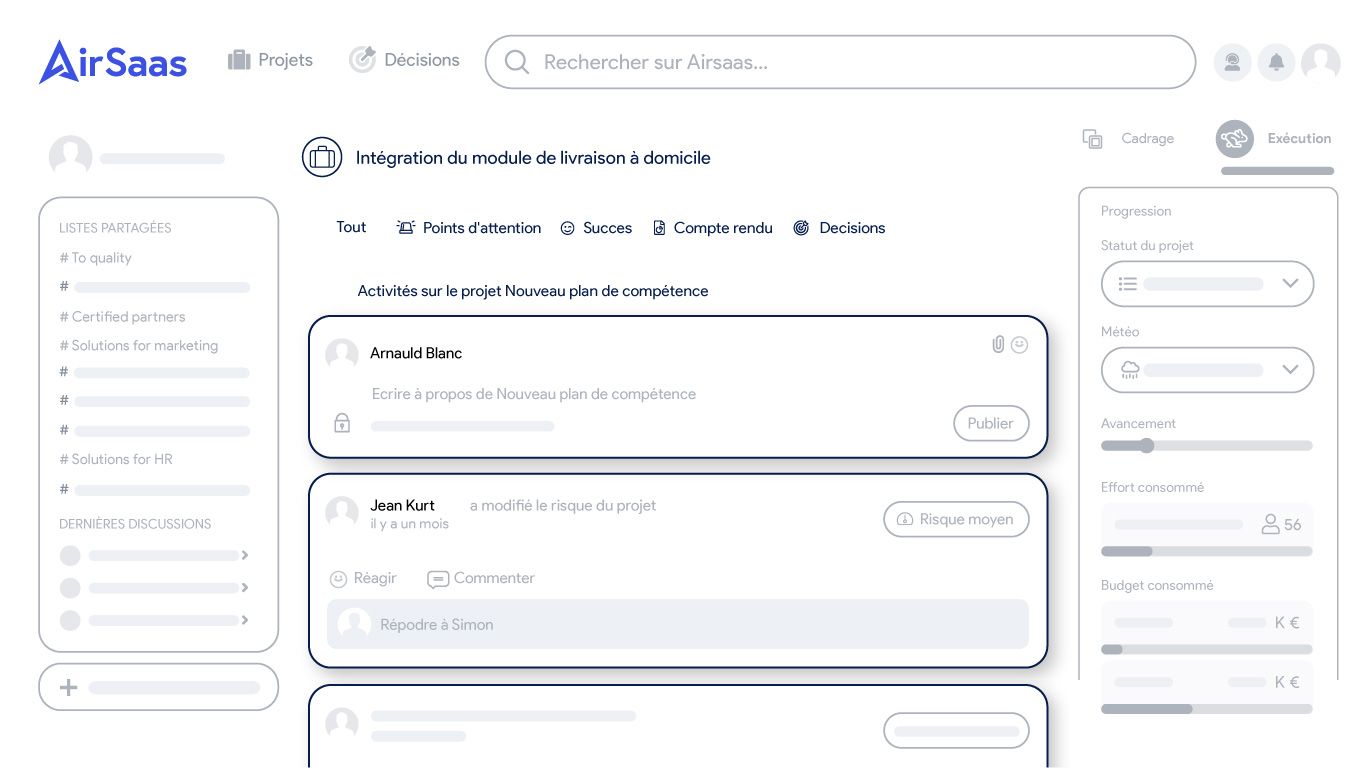
Centralize project communication when working in project mode
What is project mode?
Working in project mode can be described by three main characteristics:
- An organization built around a shared deliverable
- A multidisciplinary team
- Led by a conductor: the project manager
An organization built around a shared project
The whole team and the methodology you put in place must be designed around the project, whether in terms of budget, the time allotted to each task, or the working methods you choose. The entire organization must be centered on one clear objective: delivering the project in the best possible way.
One of the main challenges of project mode is building effective collaboration between everyone involved in the project — factoring in, among other things, the assignments each person has to deliver in parallel.
The ideal project team is made up of people with different profiles: their skills, qualifications and expertise must be complementary and cover the full spectrum of the project.
Choosing the team is therefore one of the most important steps to truly work in project mode.
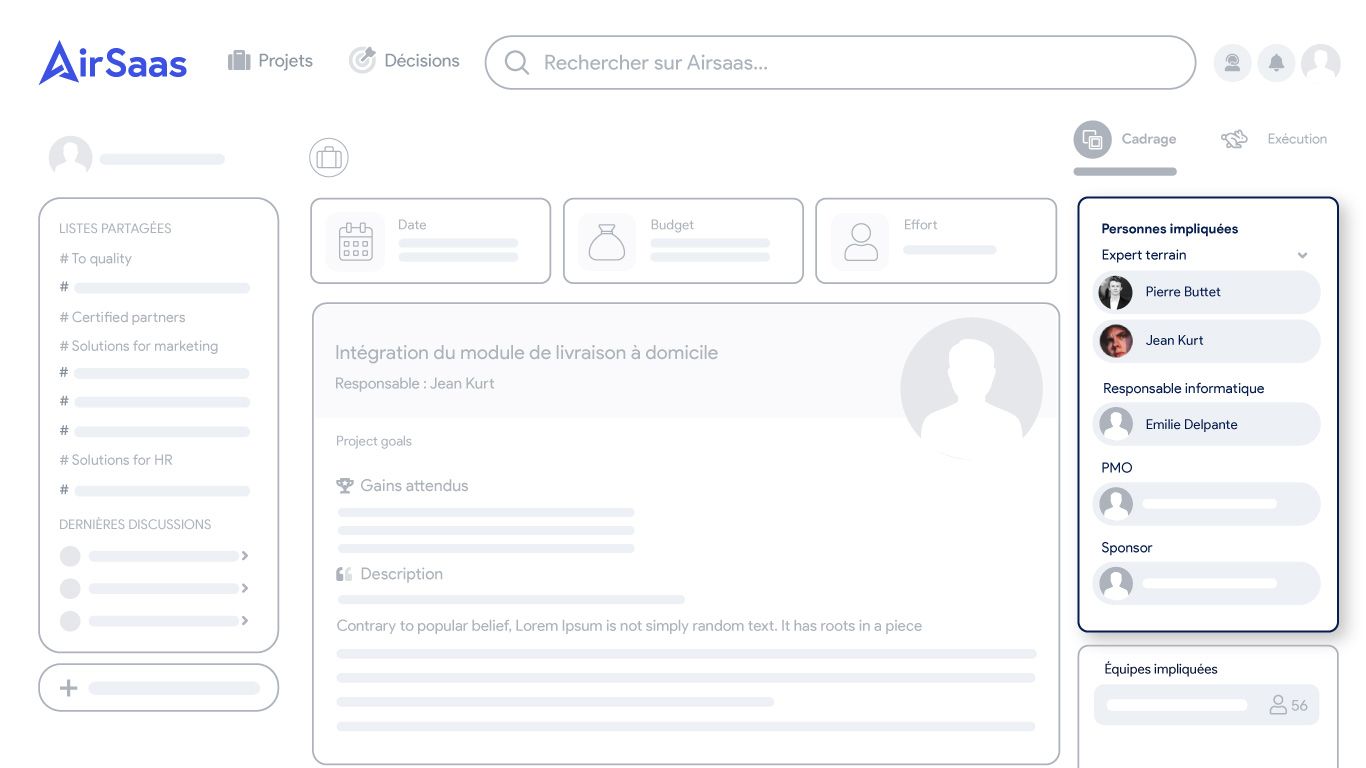
The project team
Cross-functional teams
To recruit all the profiles needed to deliver the project, teams working in project mode usually come from different departments. They typically work in different departments within the same company.
While this cross-functional setup is handy for building the ideal team, it also has consequences for several aspects of your organization:
- Not everyone has the same methodological maturity. Your working methodology must therefore account for the differences between each member of your team (habits specific to their department, their company culture, different tools…).
- Team management: it too must be adapted to the diversity of profiles and to the specifics of the project at hand. The project manager is not the people's “boss” but the leader of the project. They are accountable for the work of others.
- Since people come from different backgrounds or departments, you need to be crystal clear about everyone's available time, throughout the project. Frame a “time budget”.
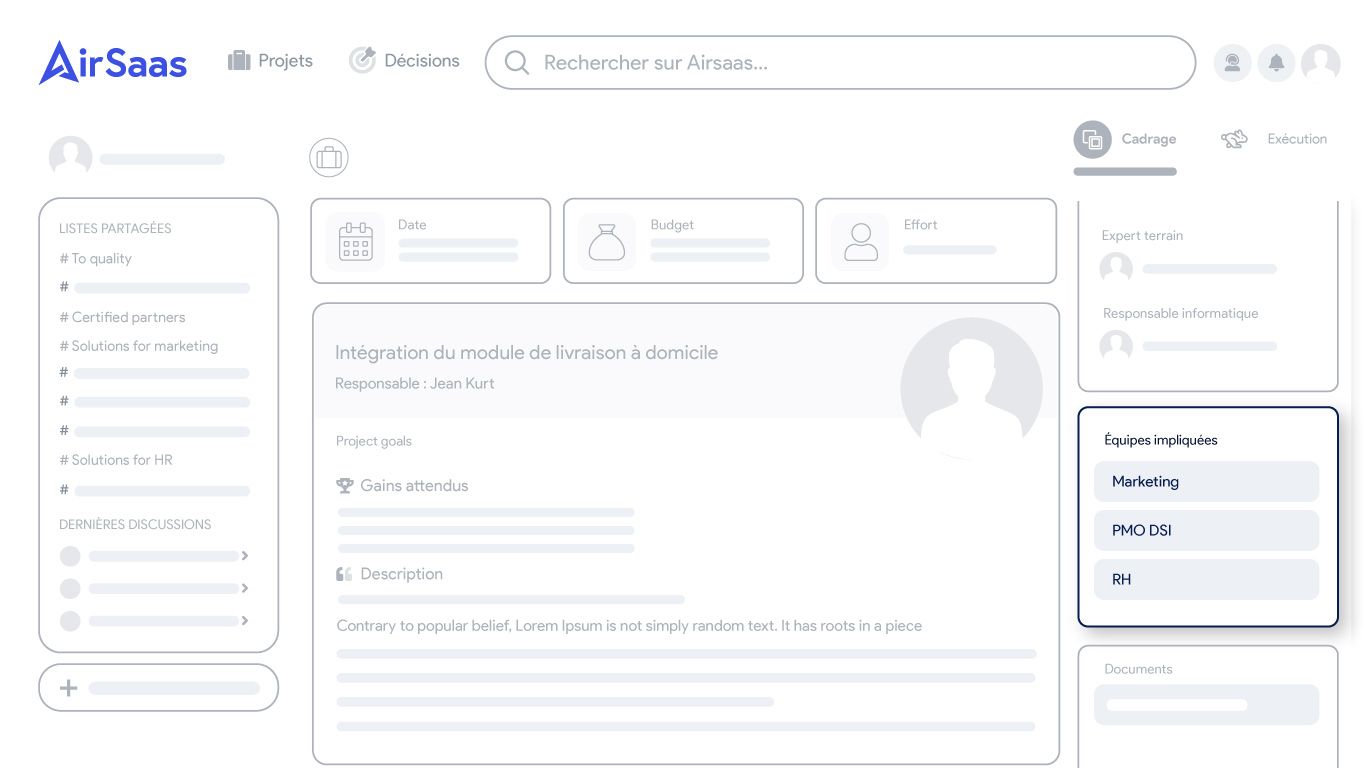
The teams involved in the project
Finally, to bond the members of your team despite their differences, it's essential to structure the team around the common interest they all share. Remember to communicate continuously about the impact this project can have on the company and its customers.
A team led by a project manager
To rally your team around the project, appointing a project manager is essential.
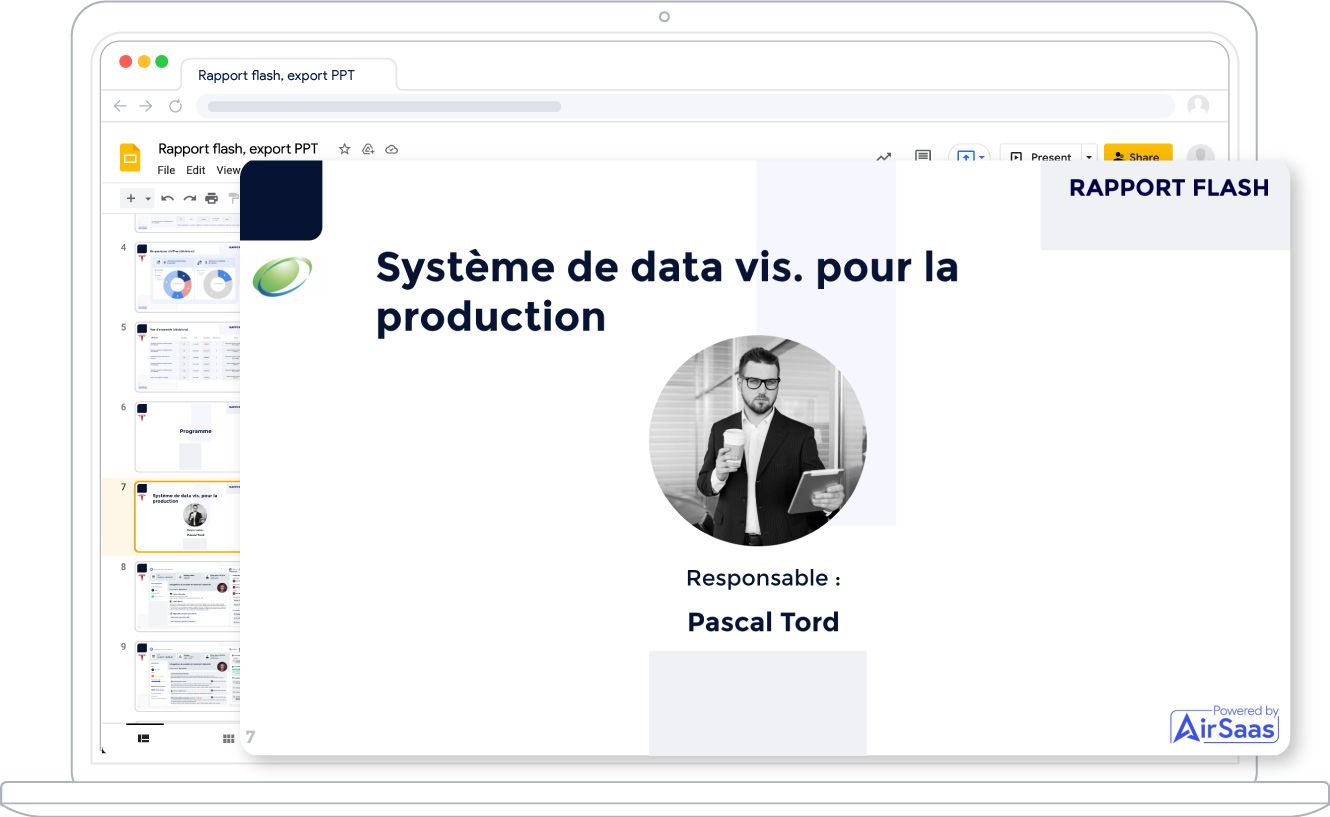
The project lead
Their role is to ensure the project gets delivered, through several functions:
- They distribute the tasks among team members according to each person's skills
- They set the deadlines assigned to each task and make sure they are met
- They run the team meetings and support each team member
- They keep overall track of the whole project and report with a management tool
- They mobilize the project sponsors whenever necessary
- They make sure decisions get made by the right people at the right time
The project manager must therefore have a strong personality, so they can assert themselves with the team when needed, re-energize it when momentum drops and, more broadly, share their vision of the path toward the common goal: delivering the project in the best possible way!
Why work in project mode?
If you manage to create symbiosis between the different team members and the skills they bring, then working in project mode offers many advantages.
- You break the classic pyramid organization and the friction it creates
- You break down the silos between departments, which improves coordination between people
- You get a precise view of the tasks that make up the project and of their assigned deadlines
- Communication between team members is optimized and information sharing is simplified
- You give people ownership, which boosts their motivation, their collective intelligence and their ability to innovate
- The workload is better distributed across team members, and over time
- Your team's cohesion is strengthened, which builds cooperation and mutual trust among colleagues
All these advantages of project mode have two consequences for the delivery of your projects. First, you can take on complex projects: these advantages enable your teams to deliver projects that would be impossible to execute without this particular way of organizing. Second, your projects move faster, generally cost less, and are of better quality.
There is a price to pay, however: setting up project mode is complex and takes time. If the people you recruit aren't available enough, if the allocated budget doesn't match the objectives, or if you can't rally the heterogeneous profiles you've chosen around a common goal, then your project is very likely to fail.
Fortunately, there are best practices to make project mode work.
How to work in project mode?
Building your project team
The first step is to bring the right people together around your project. Ask yourself several questions:
- What qualities and skills are needed to deliver my project?
- Are the profiles I'm recruiting complementary and able to work together?
- Do these people have enough availability to complete their tasks?
- Do they feel invested enough in the project they'll be working on?
Once the project team is in place, assign roles and responsibilities to each member of the group.
This step gives each person ownership of the tasks assigned to them, and optimizes cooperation since everyone has a clearly delimited scope of expertise.
After the team, you need to find the ideal project manager!
Finding the right project manager
You need to find the profile who will manage your team well.
They will be the guarantor of proper execution throughout the project: task distribution, planning, coordination of contributors, and management of the group.
In terms of soft skills: they must be able to unite and rally people, but also to have their decisions respected — all the more so since they often have no strong hierarchical authority over the other team members.
The project manager must therefore have strong managerial, interpersonal and communication skills to orchestrate and steer project mode.
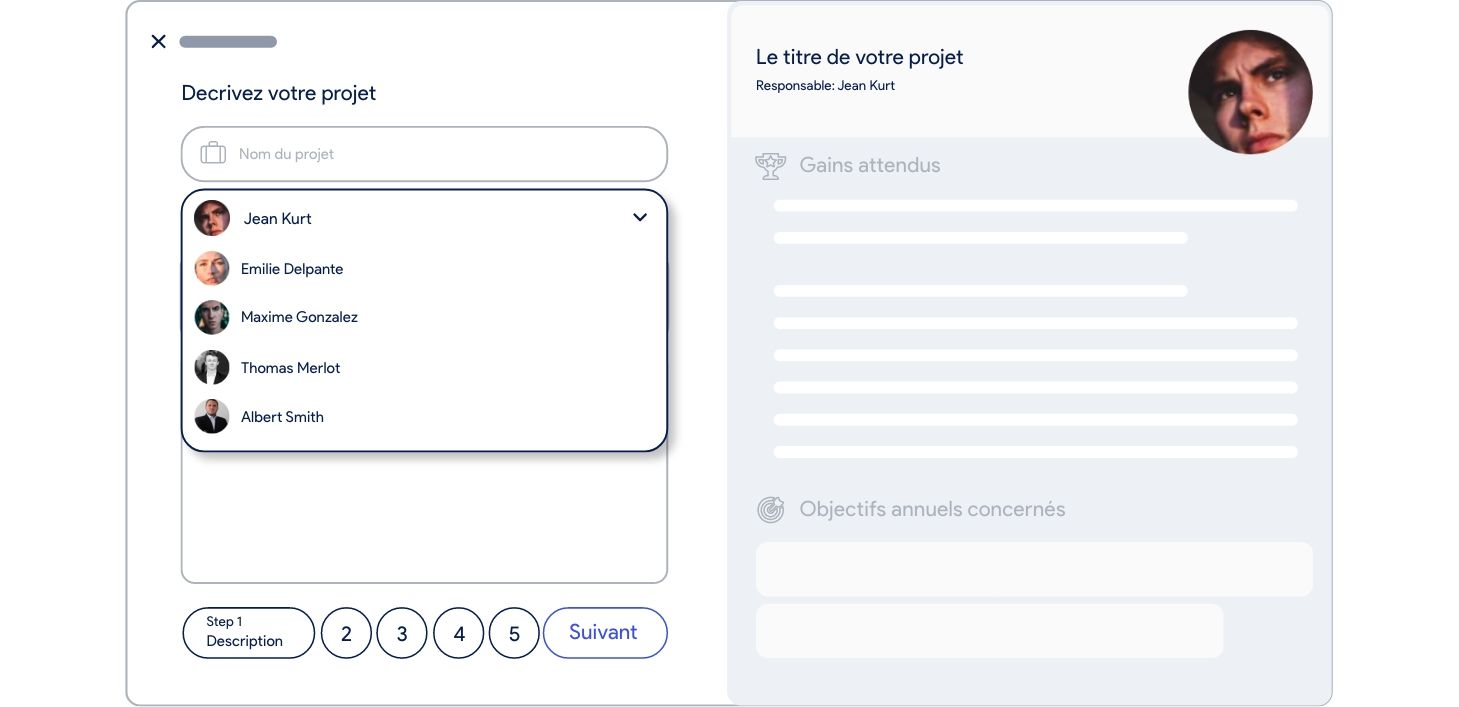
The right project manager for the right project
Defining the project: the value of a project specification document
Even though there is no universal template, it's essential to clearly define the boundaries of your project. Without that, the project manager and their team won't have enough information to reach their objectives.
So here is a (non-exhaustive) list of elements to define upstream of the project:
- The project's context and stakes
- The objectives to reach
- The budget allocated
- An estimate of the maximum initial workload
- The tools and methods you plan to use
- The human resources available
- The potential risks
- The deadlines to meet in the project schedule
- Where the project sits relative to the other initiatives under way
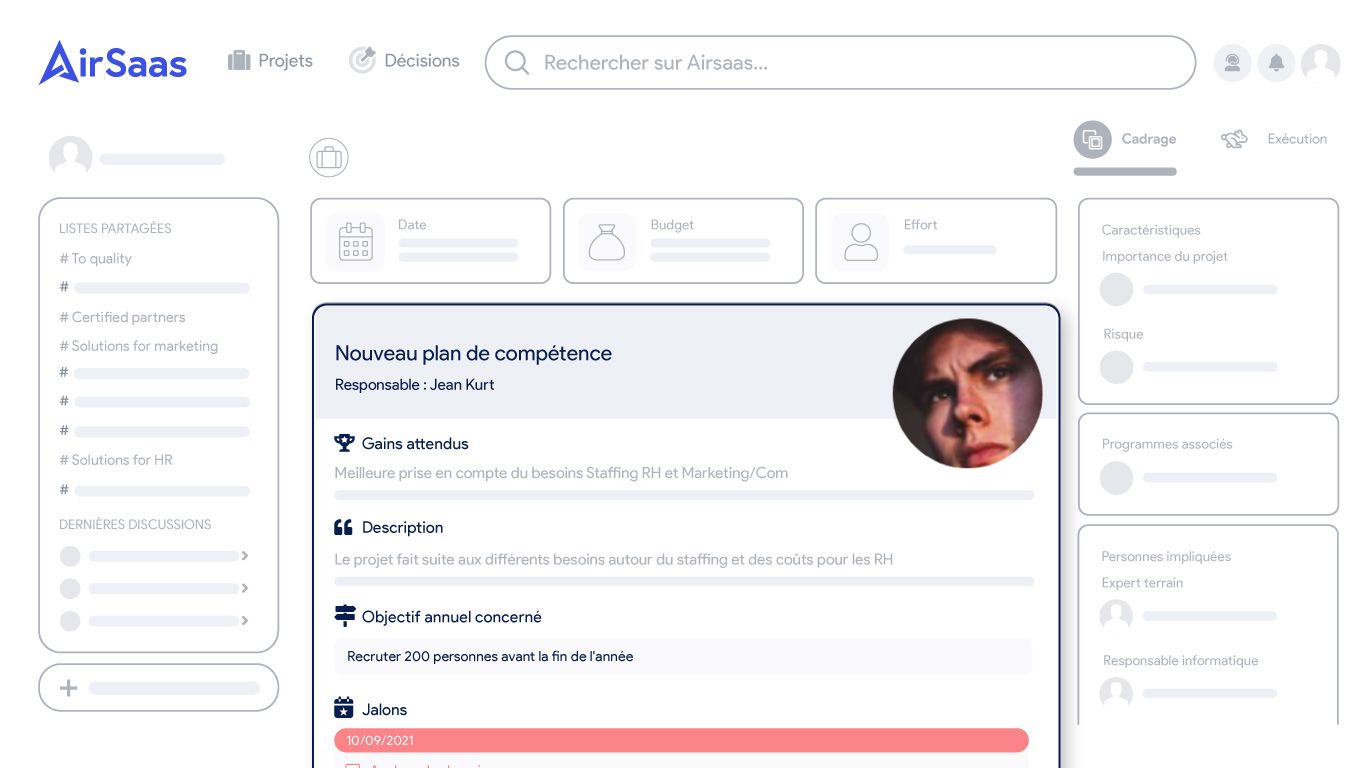
Project charter
This content will be just as useful for choosing your team's composition as for managing the project throughout its execution.
This information should be written into a specification document: it will be the shared document that centralizes all these elements for every project stakeholder.
Putting these elements down on paper makes cooperation easier: it avoids misunderstandings or overlaps on assigned tasks, and thus reduces potential friction in your team.
The specification document can be based on the project charter written upstream of the project, and is well worth enriching during the project's execution.
Raising awareness of project mode
While project mode has many advantages, remember that it's a long way from the traditional methods and organization your people are used to.
And like any change in practice, the move to project mode is bound to trigger reactions from the team you want to build. Potential reactions range from indifference to apprehension, with enthusiasm in between. The key is to avoid triggering outright rejection.
There's no magic recipe: how you go about it will depend on your personality, but above all, take the time to prepare your people for the new way of working that awaits them.
No need to panic though! If you present the advantages of project mode and address their questions, chances are you'll convince them to get on board. To make project mode easier for you, we've gathered 10 best practices below.
Cheat sheet: 10 best practices for project mode
Define your project's objectives and content #clarify
Success is only measured against objectives. That's the foundation. And yet, in real life, before starting a project we sometimes forget to clearly define the objectives — and also the ones we won't pursue! This helps you focus on what you want to accomplish, your playing field, and make sure everyone is working toward the same objectives, with the same purpose. It requires a precise specification document — and therefore also stating what the project will not do, its true scope.
Create a project plan (with the business teams) #cooperate
A project plan co-created with the business teams and shared with stakeholders must include timelines, milestones, budgets, resources and risks — especially since part of your critical resources are your business partners. It should also include a breakdown of tasks and responsibilities, so everyone knows what they have to do on the roadmap and the commitment it represents. Collaborative work between the different players is the key to project management.
Assign (truly) clear roles and responsibilities to the project's players: #inform
Like a conductor, make sure everyone knows and understands their place, their role and their responsibilities in the project. This helps ensure tasks are completed on time and to the required standard — with an approach to project management that shakes up established management lines and hierarchies within companies.
Use project management tools #equip
There are many project management tools available to help you track progress, manage tasks and collaborate with team members. A management tool carries a philosophy with it, a way of working. For example, sharing a Gantt chart or a workload view for your project management can prove counterproductive if you're trying to win people over and build good communication.
Communicate regularly #impact
Regular communication is essential when working on a project. It ensures everyone is on the same page and that any problem, question or concern is addressed quickly.
On this topic there are proven methods, in particular the Lasswell model: “Who says what, to whom, through which channel, with what effect?”.
Monitor progress #assess
You need to track how the project is evolving and whether objectives are being met, to make sure it stays on track. Regular progress reports and status updates can help you spot problems quickly and take corrective action when needed.
Stay flexible: #flex
A scenario, yes — but with flexibility! Projects can change, and you must be ready to adapt if things don't go as planned. Being flexible and open to new ideas can help you overcome the obstacles that may arise in your project management. Become a project yogi! Long live flexibility.
Manage the risks #de-risk
Every project carries risks. Without building an Excel monster, you need to prepare for them. Identify potential risks from the start and put plans in place to mitigate them.
Celebrate every win #ritualize
When a project — or even a major milestone — is completed, successfully or not, take the time to celebrate the positives with your team and say thank you! Everyone has their own way of doing it — but recognizing each person's hard work and effort will boost morale and keep everyone motivated.
(Really) learn from your experience #capitalize
After finishing a project, take the time to reflect on how you worked. What went well and what didn't. Agile practitioners integrated these retrospective activities a long time ago. These practices will help you improve your efficiency, your processes and ways of working, and ensure future projects are even more successful. Whatever method you adopt, what matters most is to capitalize on the learnings.
In conclusion: to enjoy all the benefits of project mode, you'll need to take the time to think through your project, find the right project manager, build a complementary team, and convince that team to follow you on this adventure!
Good luck!
Project mode and the project charter
When working in project mode, many teams use the project charter as a supporting tool: the project charter is a concise document that sums up all the key points of your project.
So it can be very worthwhile to adapt the use of the project charter to project mode. Remind your teams of all the essentials, to ease their adaptation and simplify collaboration around your shared goal: delivering the project! To learn more, see our article on the project charter.
What if you took back control of your project portfolio?
Book a demo and discover the tool in 30 minutes.